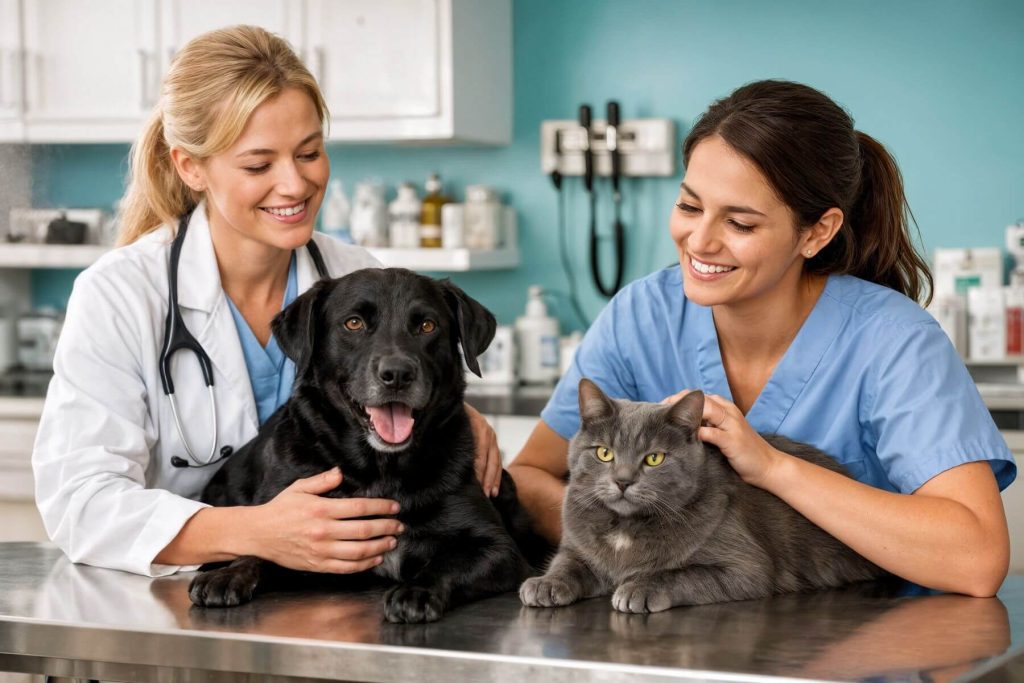

Your pet’s health is priceless – yet in everyday life, important information is often misplaced or unavailable when it is needed most. Vaccination records, diagnoses, medication plans and emergency contacts may be scattered across folders, emails or veterinary practices. In an emergency, this can cost valuable time.
Modern pet owners are therefore looking for a simple way to store all of their pet’s health information centrally and access it at any time.
Why Keeping Pet Information in One Central Place Is So Important
Many pet owners are familiar with situations like these:
The veterinarian asks about the most recent vaccination – but the vaccination record is at home.
A health problem occurs while travelling – but important medical reports are unavailable.
Important information must be provided quickly in an emergency – but it is spread across several different sources.
A structured collection of all health information helps you:
- respond more quickly in emergencies
- provide veterinarians with all relevant information
- plan treatments more efficiently
- prevent medication errors
- keep track of your pet’s health development
Important: In an emergency, complete documentation can be crucial – particularly for pets with chronic conditions or allergies.
1. Vaccinations – Essential Protection for Your Pet
Vaccinations are among the most important preventive measures. They protect your pet against dangerous diseases and are often required for:
- travelling abroad
- boarding facilities
- dog training schools
- insurance policies
Important information includes:
- date of the most recent vaccination
- vaccine administered
- date of the next booster
- veterinary practice
- digital vaccination record or document
When this information is readily available, the veterinarian can act immediately.
2. Diagnoses and Medical Reports – Your Pet’s Medical History
Every diagnosis forms part of your pet’s medical history. A complete overview is particularly important for chronic conditions.
This includes:
- veterinary diagnoses
- laboratory results
- X-rays
- ultrasound findings
- surgical reports
- treatment recommendations
“The more complete the documented medical history is, the faster a veterinarian can make the right decision.”
3. Medication – Keeping Track of Dosage and Tolerance
Medication must be documented accurately to avoid potential risks.
Important details include:
- name of the medication
- dosage
- treatment period
- side effects
- interactions with other medications
This is particularly important for:
- chronic conditions
- pain medication
- antibiotics
- nutritional supplements
4. Identifying Allergies and Intolerances Immediately
Allergies and intolerances should be documented accurately to avoid potential risks.
Important details include:
- food allergies
- medication intolerances
- environmental allergies
- reactions to vaccines
Practical tip: Record symptoms and possible triggers to help prevent future risks.
5. Emergency Contacts – No Time to Lose in an Emergency
Every minute counts in an emergency. Important contacts should therefore always be available:
- veterinarian
- veterinary clinic
- emergency veterinary service
- pet health insurance provider
- contact person during holidays or illness
The faster important contacts are available, the sooner help can be arranged.
6. Storing Important Documents Clearly
A complete pet record should also include important administrative documents:
- vaccination record
- insurance documents
- EU Pet Passport
- microchip number
- purchase contract or proof of adoption
- health certificates
- travel certificates
Digital storage helps ensure that nothing is lost.
7. Why a Digital Pet Record Is Useful
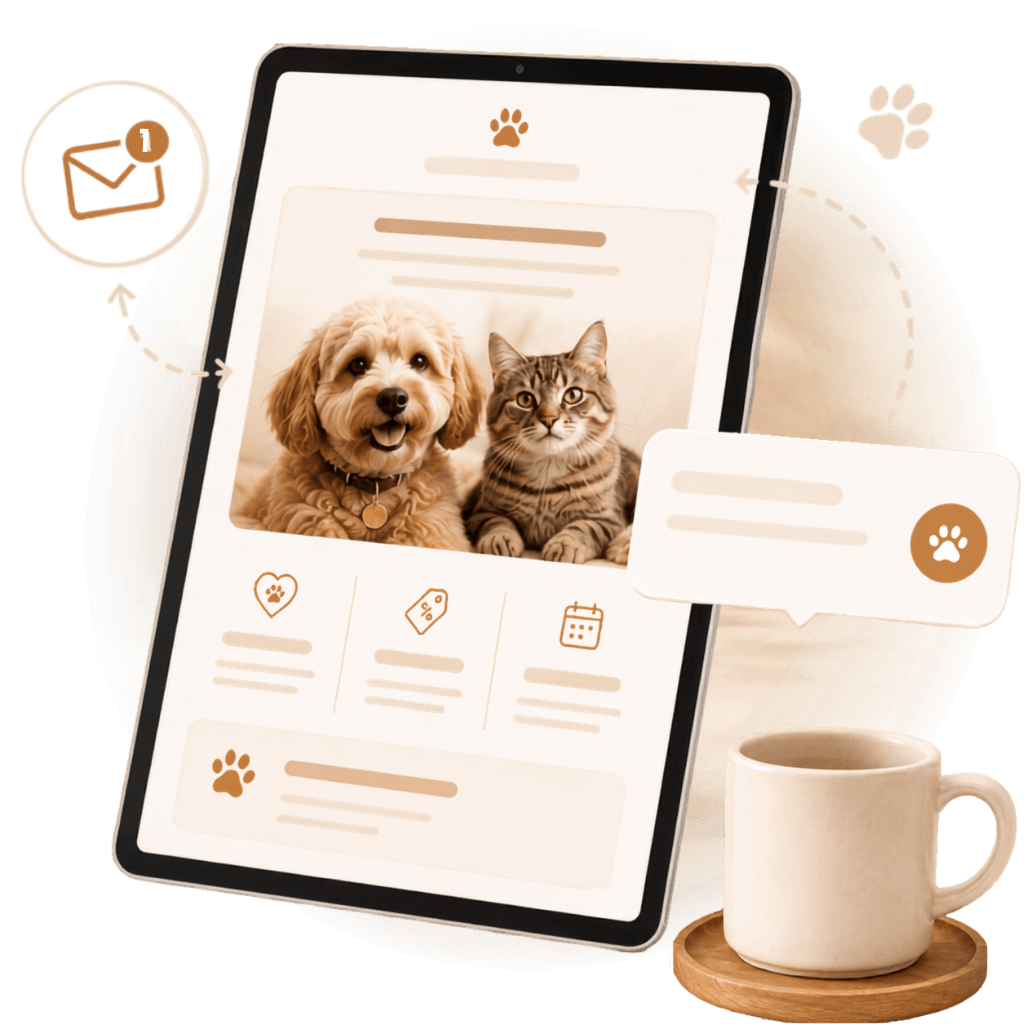
A central digital pet record makes it easier to manage all relevant information and ensures that important data is available at any time – whether at the veterinary clinic, while travelling or in an emergency.
Benefits of a digital MedCard include:
- all health information in one place
- access at any time using a smartphone
- easy updating of information
- secure storage of important documents
- faster sharing with veterinarians
- reminders for vaccinations and appointments
The combination with an NFC medallion attached to the pet’s collar is particularly practical. When the medallion is scanned using a smartphone, it links directly to the digital pet record – without requiring an app or searching through documents.
In an emergency, this can save valuable time and help your pet receive assistance more quickly.
- Your Pet. Your Data. Your Security.
Everything important about your pet in one place.
With Pawdare, you can securely store important information about your pet in one place – so it is quickly available at the right moment.

Conclusion: Small Technology with Major Benefits
Pet owners who document their pet’s health information in a structured way act responsibly and plan ahead.
Vaccinations, diagnoses, medication, allergies and important documents should always be readily available – especially in emergencies.
A digital MedCard helps you:
- respond more quickly
- make veterinary visits more efficient
- minimise risks
- support a safe and healthy life for your pet
Your pet relies on you – and good organisation helps ensure that it receives the best possible protection.